
Is My Dancer Improving? What Progress Really Looks Like
As we move through the season, it’s a question many parents quietly wonder:
“Is my dancer improving?”
If you’ve ever asked yourself this, you’re not alone, and the answer might look different than you expect.
Progress Isn’t Always Obvious
Unlike other activities where growth can be measured quickly, dance is built over time. Strength, flexibility, coordination, and technique develop slowly through repetition and consistency.
Sometimes progress looks like:
Better focus in class
Picking up choreography more quickly
Remembering corrections from week to week
Growing confidence in movement
These changes may feel small, but they are huge indicators of growth.
Big Tricks Aren’t the Full Picture
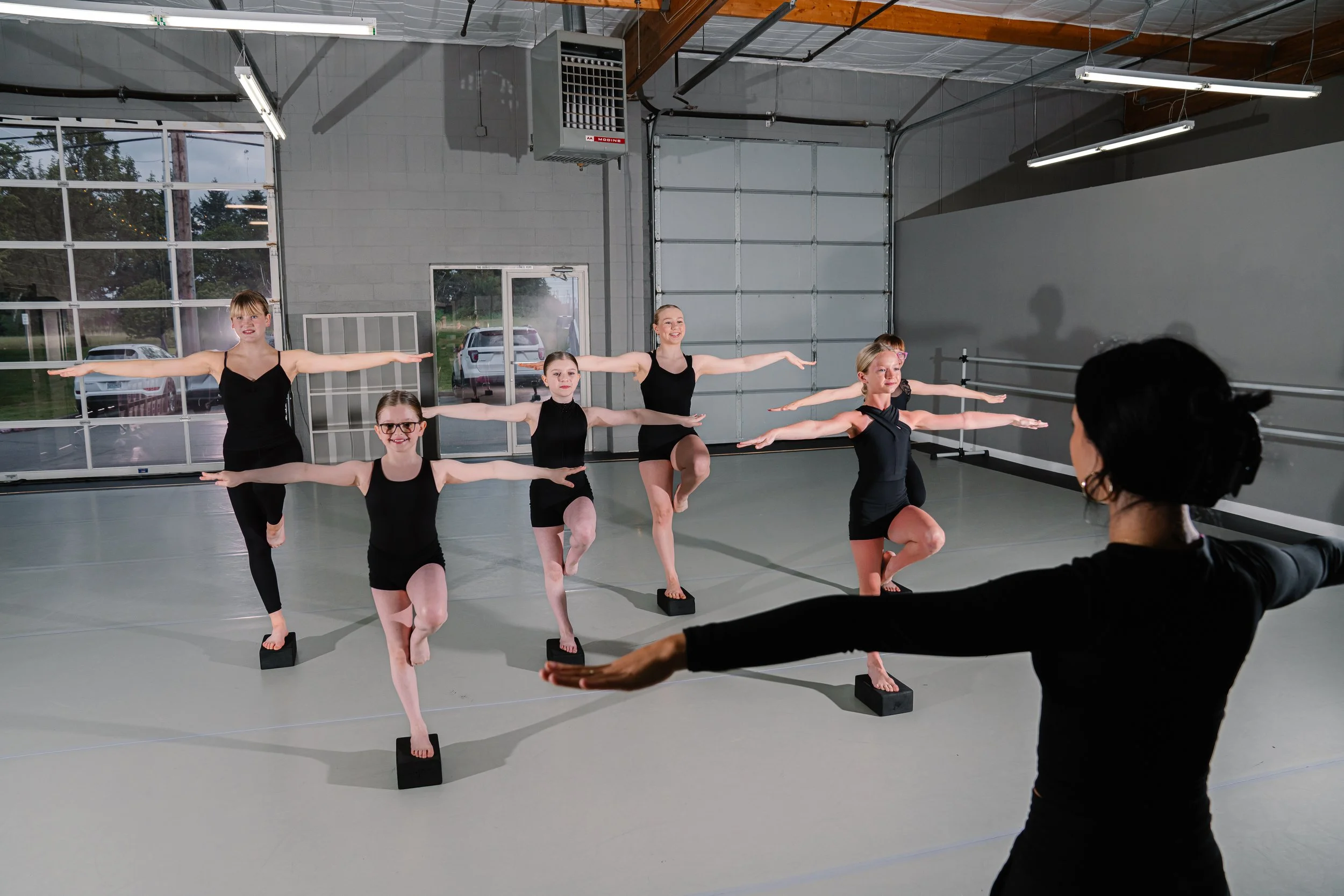
In dance, it’s easy to notice big tricks, turns, leaps, or acro skills. These moments can be exciting and impressive, especially to those watching from the audience.
But the truth is, big tricks are only one small part of what makes a strong dancer.
Teachers are often looking at things like:
control and technique
posture and alignment
musicality and timing
attention to detail
A dancer who is quietly improving these foundational skills is often making more meaningful progress than it may appear from the outside.
So… How Can Parents Spot Improvement?
If progress isn’t always about big tricks, what should you look for?
Here are a few signs your dancer is growing:
They remember choreography more easily
They apply corrections without being reminded
They stay focused for longer periods of time
They move with more confidence and intention
They talk positively about class and their progress
These are the moments teachers notice, and they are strong indicators that your dancer is developing both technically and mentally.
Growth Happens Beneath the Surface
In many cases, dancers are improving in ways you can’t immediately see.
They are building:
muscle memory
body awareness
strength and control
mental resilience
These foundations are what allow big breakthroughs to happen later. What may look like “no change” on the outside is often significant development on the inside.
Every Dancer Progresses at Their Own Pace
It can be tempting to compare dancers, but every child’s journey is different.
Some dancers improve quickly in certain areas, while others take more time to develop. What matters most is that your dancer is:
showing up consistently
staying engaged
continuing to learn
Progress in dance is not about being the best in the room, it’s about becoming better than you were before.
Confidence Is a Form of Progress
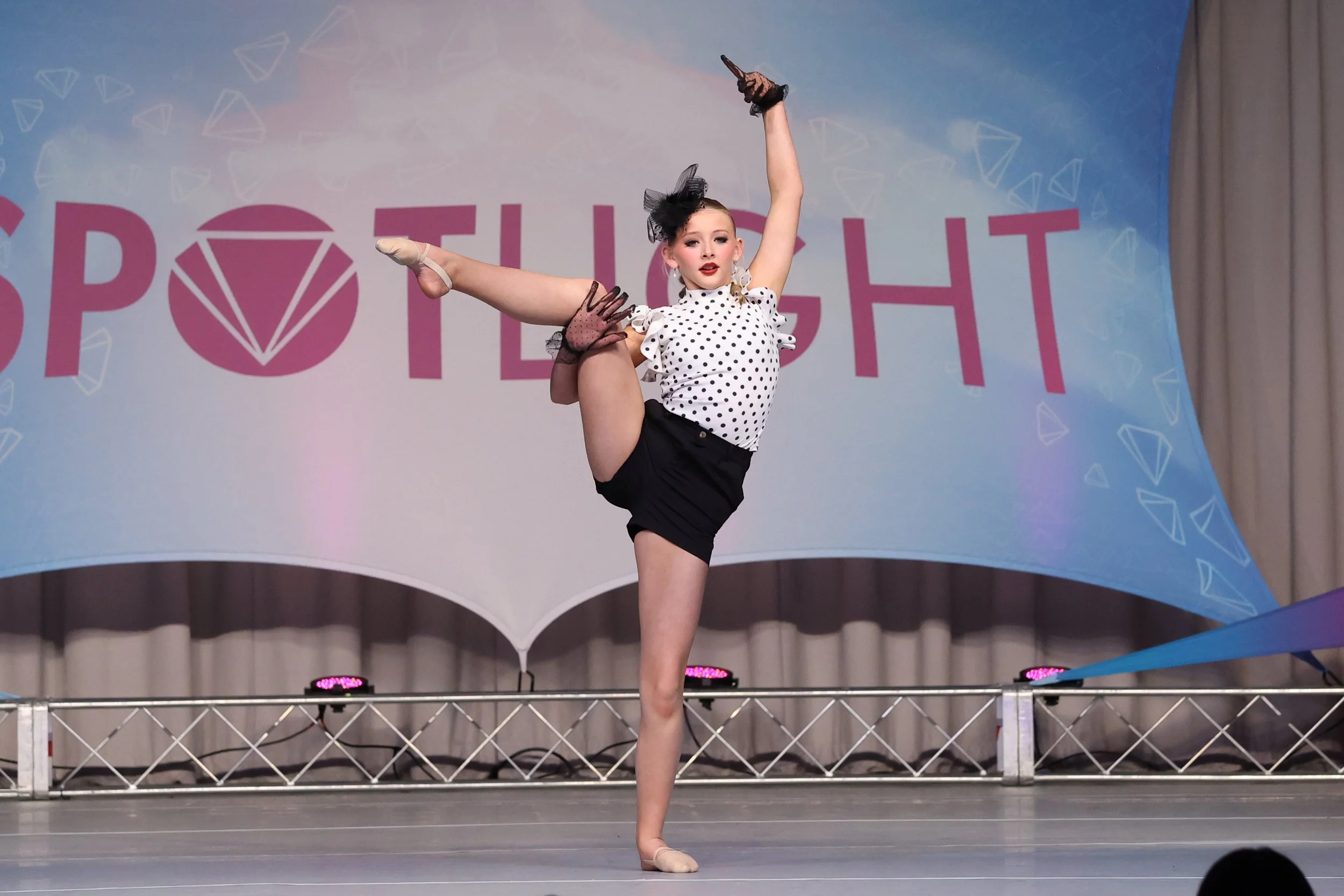
One of the most meaningful signs of growth is confidence.
When dancers begin to:
perform with more expression
take corrections positively
feel proud of their effort
that confidence carries into every area of their life. This is one of the most valuable outcomes of dance training.
Trust the Process
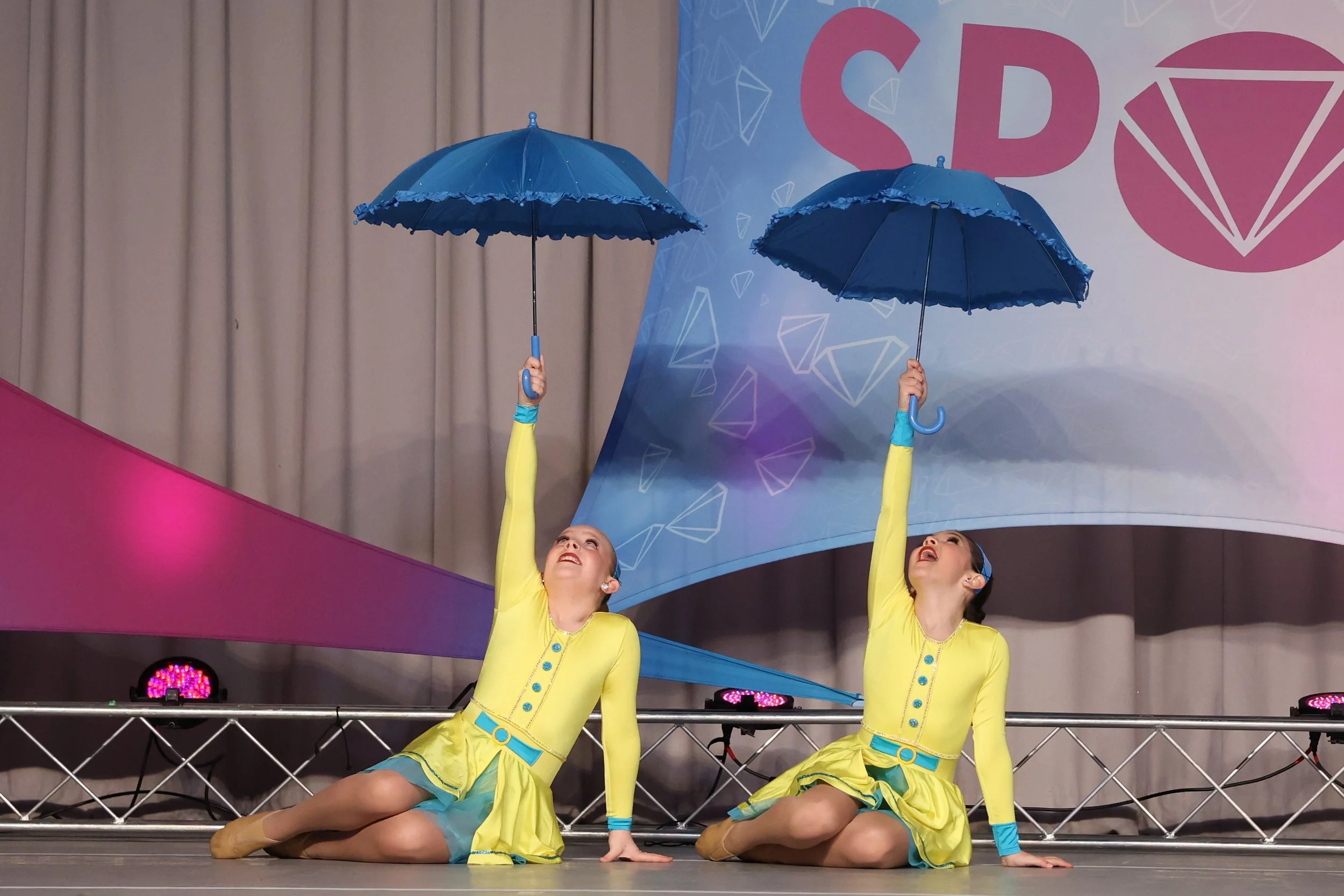
At Doty Performance, we see your dancers in class every week, and we see their growth, even when it’s subtle.
Dance is a long-term journey. The dancers who continue to show up, stay positive, and keep working are the ones who experience the greatest transformation over time.
A Simple Way to Support Your Dancer
Instead of asking only about results, try asking:
“What did you work on today?”
“What felt better this week?”
“What are you proud of?”
These questions help your dancer focus on growth, effort, and progress, the things that truly matter.
The Big Picture
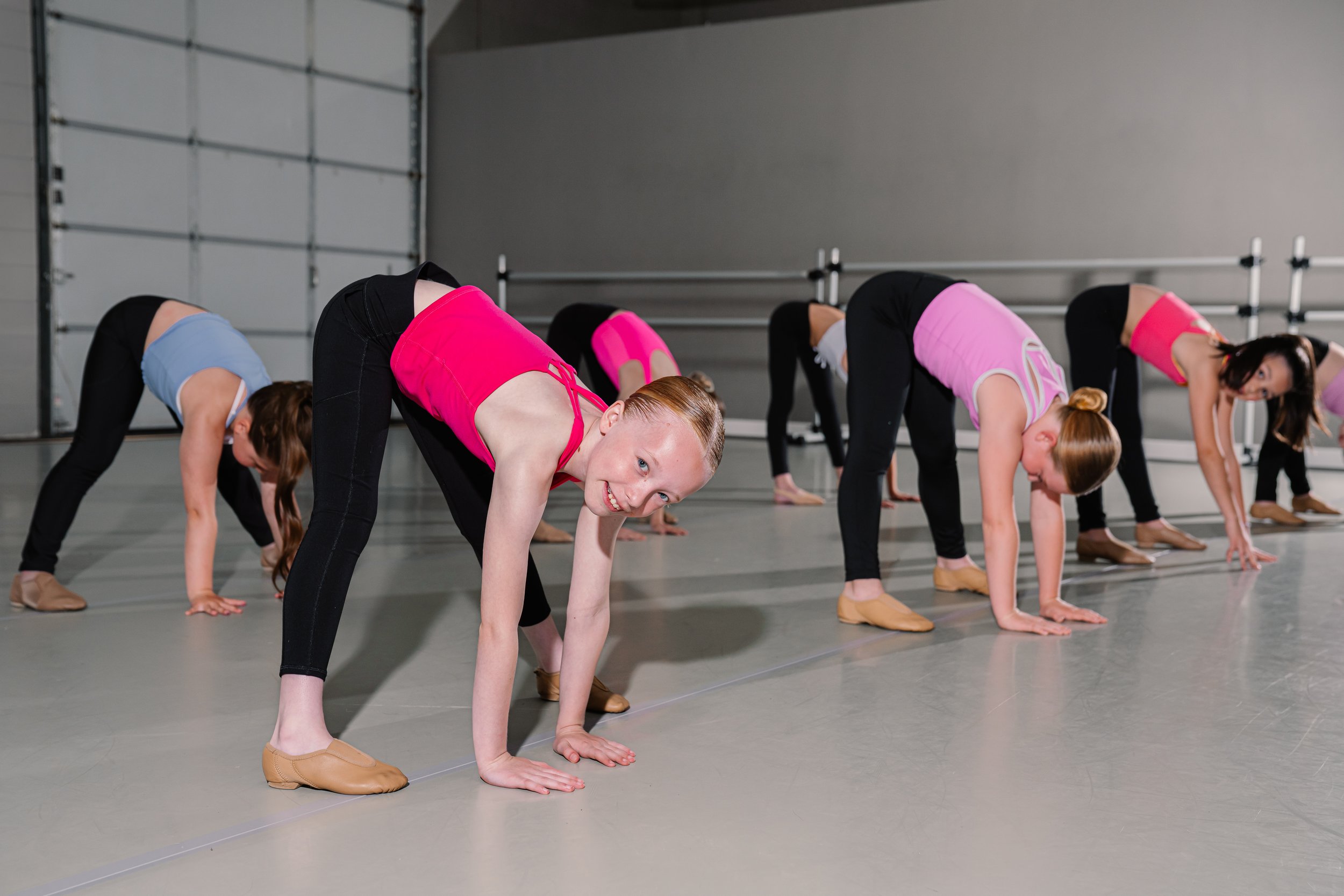
When you zoom out, progress in dance becomes much clearer. Over months and years, dancers develop not only stronger technique, but also confidence, discipline, and resilience.
And those are the skills that last far beyond the stage.
At Doty Performance, we are so proud of every dancer’s journey, and we’re honored to be part of their growth every step of the way